
Share This Article
Finding a flat you like is the easy part. Deciding it’s right for you — after checking everything that actually matters — is where most tenants skip steps they later regret.
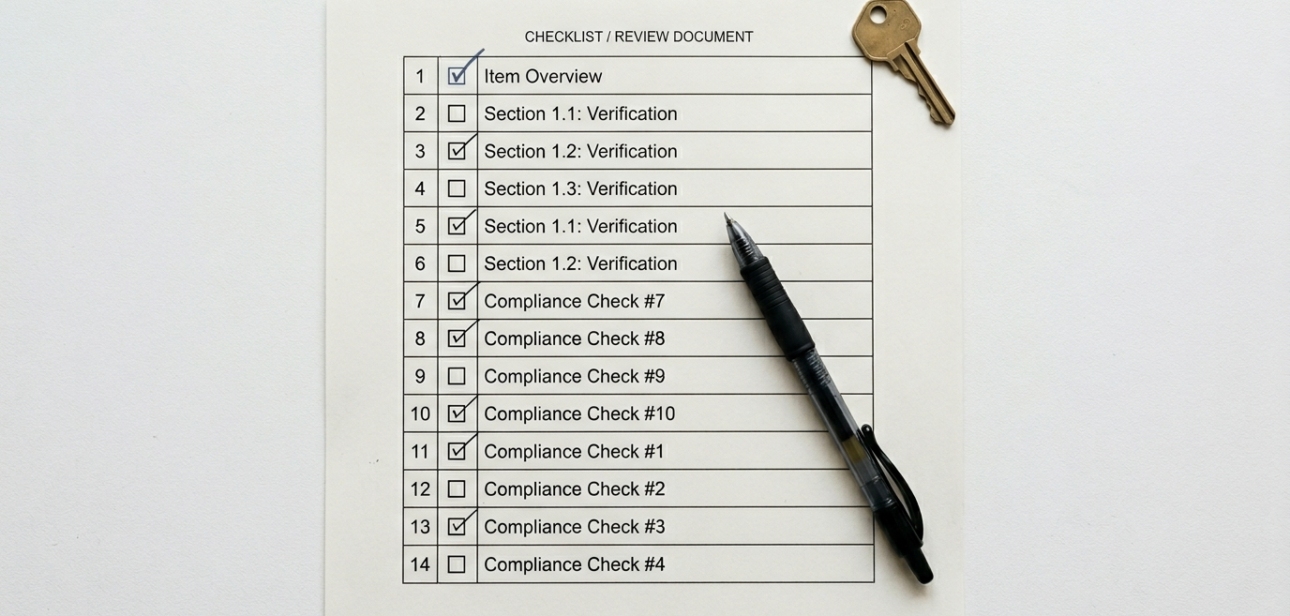
This checklist covers every category of things to verify before renting a house in India. Work through it before you sign anything or pay a rupee beyond a token advance.
Table of Contents
Property and Physical Condition {#property}
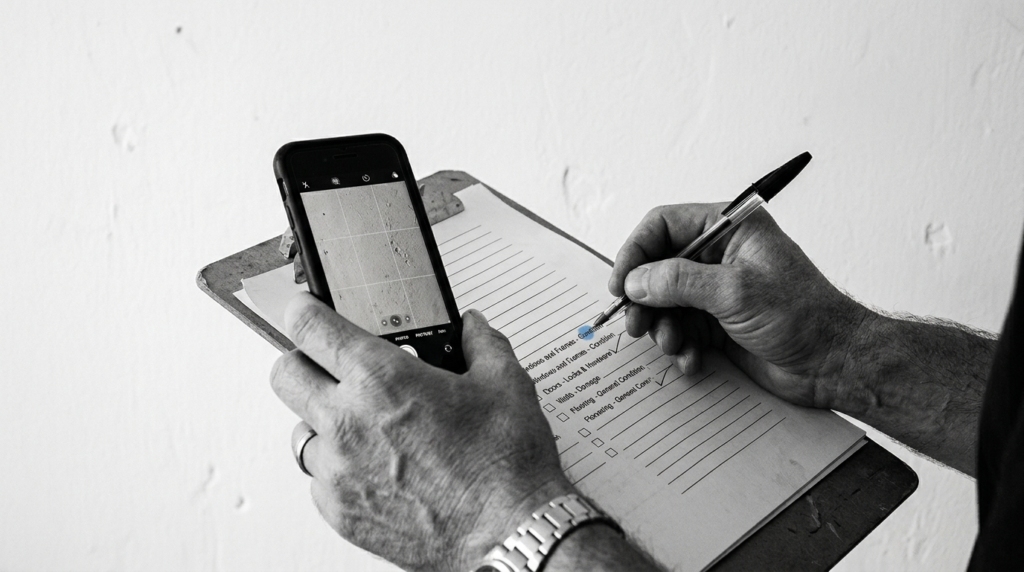
Walk through every room with the landlord present and note what you see. Do not assume anything will be fixed later.
Check all taps — water pressure, hot water availability, drain speed. Run them for at least a minute. Check all electrical points and switches — bring a phone charger to test sockets. Check every window and door — do they open, close, and lock properly? Check the ceiling and walls for water stains, cracks, or dampness — these suggest leakage problems that are expensive to fix. Check the kitchen — gas connection or piped gas, condition of the chimney or exhaust fan, condition of shelving. Check the bathroom — flush mechanism, geyser, exhaust fan, grouting condition. Check natural light in every room at the time of day you will most often be home. Check mobile signal — step into the corners of the flat and test your primary carrier.
Photograph everything you see — stains, scratches, marks, broken fittings — before you move in. This move-in documentation is your protection against deposit deductions when you leave.
Related read: Checklist before moving into a rental house ?
Landlord and Ownership Verification {#landlord}
Verify the landlord is who they say they are and that they own what they claim to own.
Ask for a government-issued ID — Aadhaar or PAN — and note the name. Cross-check the name against the electricity or property tax bill for the flat. Ask to see the property tax receipt — it confirms the owner’s name and that taxes are being paid. For additional verification, the sub-registrar’s office records are publicly accessible and confirm who owns a property. Speak to the building maintenance staff or a neighbour to confirm the landlord’s identity.
This step matters more than most tenants realise. Fake landlord scams — where someone rents out a property they don’t own — are documented across Indian and global rental markets. A few minutes of verification eliminates this risk entirely.
Related read: Broker scams India — how to spot them before you pay ?
Agreement and Legal Terms {#agreement}
Never move in without a signed, stamped rental agreement. Read it fully before signing — not after.
Check the rent amount matches what was verbally agreed. Check the security deposit amount and refund conditions. Check the notice period — and verify it is symmetric for both landlord and tenant. Check the rent escalation clause — what percentage increase is allowed, and when. Check maintenance and repair responsibilities — who pays for what. Check restrictions on guests, pets, modifications to the flat. Check the lock-in period — and what the penalty is for early exit. Check what can be deducted from the deposit at move-out.
Any clause that seems unfair should be discussed and amended before signing. A signed agreement is binding — changes after the fact require both parties’ written consent.
Related read: Rental agreement mistakes to avoid ?
Utilities and Infrastructure {#utilities}
Clarify every utility arrangement before moving in.
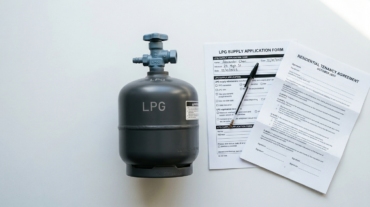
Electricity — is there a separate meter for this flat? What is the current arrear status on the account? Who is the electricity provider? How is the bill paid? Water — is there municipal supply, borewell, or tanker supply? Is it available 24 hours or only at certain times? Is there a separate water charge above the rent? Gas — is there a piped gas connection or will you need an LPG cylinder? Internet — what providers service this building? Is there a building-wide broadband connection or will you need to set up independently? Generator or inverter backup — is there power backup for common areas and individual flats?
The Bengaluru LPG shortage of early 2026 — which led to a family being evicted for cooking on firewood — is a reminder that utility access is not always guaranteed. Know your options before you depend on them.
Related read: Gas connection for rental house India ?
Society and Building Rules {#society}
Most gated communities and apartment complexes have a Resident Welfare Association with its own rules. These rules apply to tenants — and some of them are restrictive.
Ask for a copy of the society’s rules for tenants before committing. Check rules on: visitor timing and guest registration, pet policies, parking allocation and rules, noise restrictions, use of common amenities like the gym, pool, or clubhouse, and specific rules around moving in and moving out — some societies charge a move-in fee.
Some societies have rules that significantly restrict tenant lifestyle choices. Better to know them before you sign the agreement than after you move in.
Related read: Society rules for tenants in India ?
Neighbourhood and Commute {#neighbourhood}
Visit the neighbourhood at different times of day. What is quiet at 11am on a Saturday is different from what it is like at 8am on a weekday.
Check: distance and commute time to your primary destination — office, college, school. Proximity to essentials — grocery, pharmacy, hospital, bank ATM. Noise levels — proximity to a main road, temple, mosque, or commercial establishment. Flooding history — ask neighbours if the area floods during monsoon. Parking availability if you have a vehicle.
Financial Clarity {#financial}
Before signing, get a complete picture of the total monthly cost.
The rent — confirmed in writing. Maintenance charges — included or separate, and the monthly amount. Parking — included or separate charge. Water charges — if applicable. Electricity common connection charge — if any. Society fees above maintenance — if any. Internet — if a building-wide plan is part of the deal.
Add all of these together. That is your real monthly cost — not the rent figure alone.
Related read: Hidden charges when renting an apartment in India ?
Final Thought
Checking all of this before you sign takes time. It requires asking questions that might feel uncomfortable. It means slowing down when the excitement of finding a good flat creates urgency to commit immediately.
Do it anyway. Every item on this list represents a problem someone discovered after it was too late to back out easily. The list exists because the problems are real — and almost all of them are preventable before you sign.
More on renting smarter in India. Browse our full tenant guide library ?