



Share This Article
You find a PG listing. The photos look clean. The price is reasonable. The location is perfect. You call and someone picks up immediately, enthusiastic and helpful.
They ask for a token advance to hold the room. You transfer the money. And then they stop responding.
This is one of the most common rental scams in India, and it happens to thousands of people every year, especially students and young professionals moving to a new city.
Why PG Scams Are So Common
The paying guest market in India is largely unregulated. Listings appear on aggregator platforms, social media groups, and classified sites. Anyone can post a listing. Anyone can claim to be a landlord.
Scammers know that people looking for PG accommodation are often under time pressure — a new job starts in a week, college begins next month. That urgency is what they exploit.
The Most Common PG Scam Tactics
The advance payment trap: the landlord claims there are multiple interested parties and asks for a token payment to hold the room. Once paid, they disappear.
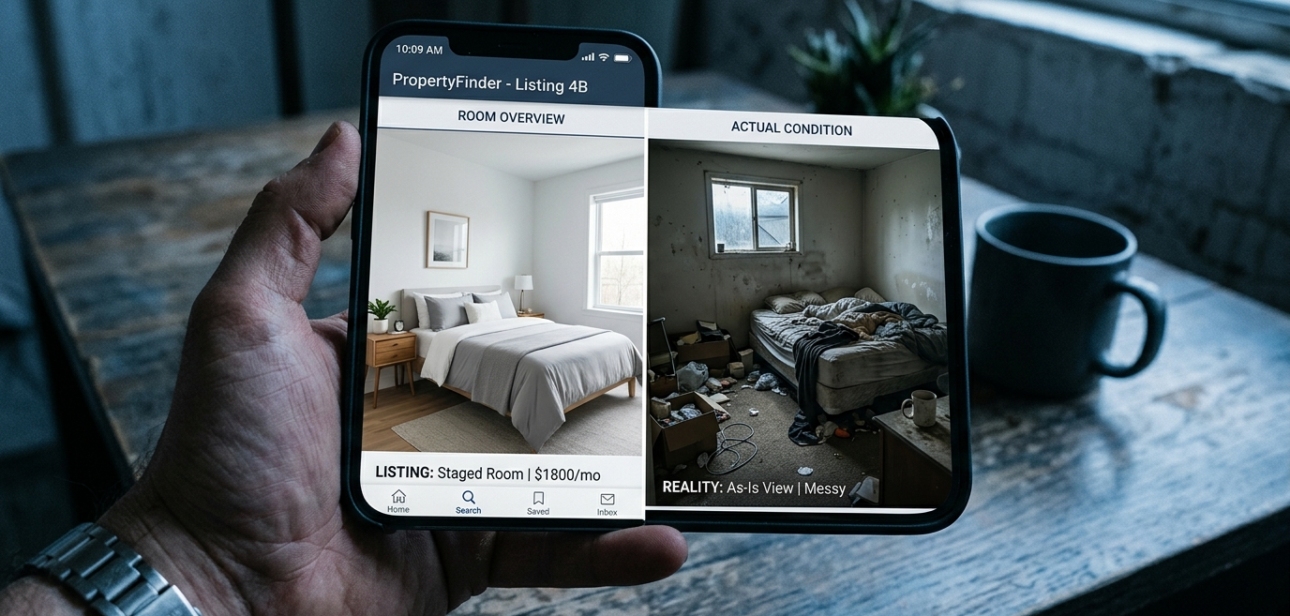
The bait and switch: photos show a well-furnished room. When you arrive, the property is nothing like the listing. The landlord then offers an inferior room at the same price, counting on the fact that you have already moved your things.
The ghost landlord: the person you speak to does not own the property. They may be pretending to be the landlord or sub-letting without permission. You pay several months in advance. Then the real landlord discovers the illegal sub-let and asks you to leave.
The inflated deposit scam: extremely high deposits — sometimes four to six months of rent — are asked for. After you move in, the landlord finds pretexts to deduct most of it when you leave.
Red Flags to Watch For
The price is significantly below market rate for the area. The landlord refuses to meet in person or video call before you pay. They insist on full payment before you view the property. The listing photos look too professional — they may be stock images. The landlord claims to be abroad or in another city and offers to send a key after payment.
Communication happens only on WhatsApp and the landlord avoids calls. The property address is vague or inconsistent. The landlord pushes for UPI or cash payment rather than a bank transfer.
How to Verify a PG Before Paying Anything
Always visit the property in person before paying. If you cannot do so, send a trusted friend or family member. Video calls showing the actual room with a timestamp visible are a minimum.
Ask to see the owner’s identity documents and proof of property ownership — Aadhaar card and property tax receipt are reasonable asks.
Search the address on Google Maps and verify it matches the listing. Do a reverse image search on the listing photos to check if they appear on other sites.
Check reviews on the platform where the listing appears. Look up the phone number on Truecaller or similar apps.
Never pay an advance without seeing the property and signing an agreement. A legitimate landlord will not ask you to do otherwise.
What to Do If You Have Already Been Scammed
File a cyber crime complaint on cybercrime.gov.in. This is the national portal for online fraud complaints. Report the listing to the platform it appeared on. File an FIR at the nearest police station if the amount is significant. Contact your bank immediately if the payment was made by bank transfer — in some cases, rapid reporting can trigger a recall.
The Safest PG Search Practice
Find listings through verified platforms with user reviews. Visit the property before committing. Get a written agreement before paying any deposit. Pay deposits in a way that creates a paper trail — NEFT, IMPS, or UPI with a business account. Never pay cash without a written receipt.
Internal links: https://dwellble.com/blog/how-to-verify-landlord-before-paying-deposit, https://dwellble.com/blog/fake-landlord-rental-scams-london, https://dwellble.com/blog/security-deposit-clause-rent-agreement
External links: cybercrime.gov.in, consumerhelpline.gov.in