
Share This Article
Most tenants in India have heard the words “police verification” — but few know exactly what it involves, who is responsible for initiating it, or what actually happens if it does not get done.
This guide covers the complete process, state-by-state options for online submission, and the legal consequences of skipping it.
Table of Contents
What Is Police Verification for Tenants? {#what-is}
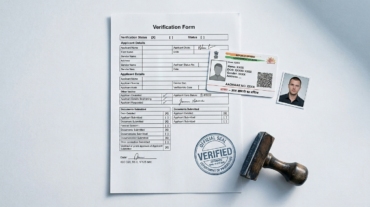
Tenant police verification is a process by which the local police are notified that a new person has moved into a rental property. The information collected — name, identity details, previous address, and reason for being in the city — is recorded in the local police station’s tenant register.
The process exists primarily for public safety — to create a record of who is residing at which address in the jurisdiction. It is not a background check in the traditional sense — it records information rather than investigating it (though subsequent verification may follow if concerns arise).
In most states, police verification is a legal requirement under local law or police act provisions. In Karnataka, for example, landlords are required to register tenants with local police within 24 hours of the tenant moving in.
Who Is Responsible — Landlord or Tenant? {#who-responsible}
[IMAGE BLOCK 2 — Mid-article]
In most states, the legal obligation for police verification falls on the landlord — not the tenant. The landlord is responsible for reporting to the local police that a new tenant has moved in and providing the tenant’s details.
However, the process requires the tenant’s cooperation — the tenant must provide accurate identity documents and information. A landlord who cannot get accurate information from a tenant is often cited as one reason why landlords insist on Aadhaar submission before move-in.
As a tenant, cooperating with the police verification process is both a legal obligation and a practical protection — it creates an official record of your legitimate occupancy, which is useful if disputes arise later.
What Happens If It Is Not Done? {#if-skipped}
The consequences of skipping police verification vary by state:
For landlords: Most states provide for fines or penalties for landlords who fail to report new tenants. In Karnataka, failure to register can attract a fine or even legal proceedings under relevant sections of the Karnataka Police Act. In Delhi, non-compliance can attract notices from the local police station.
For tenants: A tenant who refused to provide accurate identity information for verification purposes can face questioning if any security concern arises in the area. In practice, tenants are rarely penalised for the landlord’s failure to register — but cooperation is strongly advised.
Documents Required {#documents}
For tenant police verification, the documents typically required include:
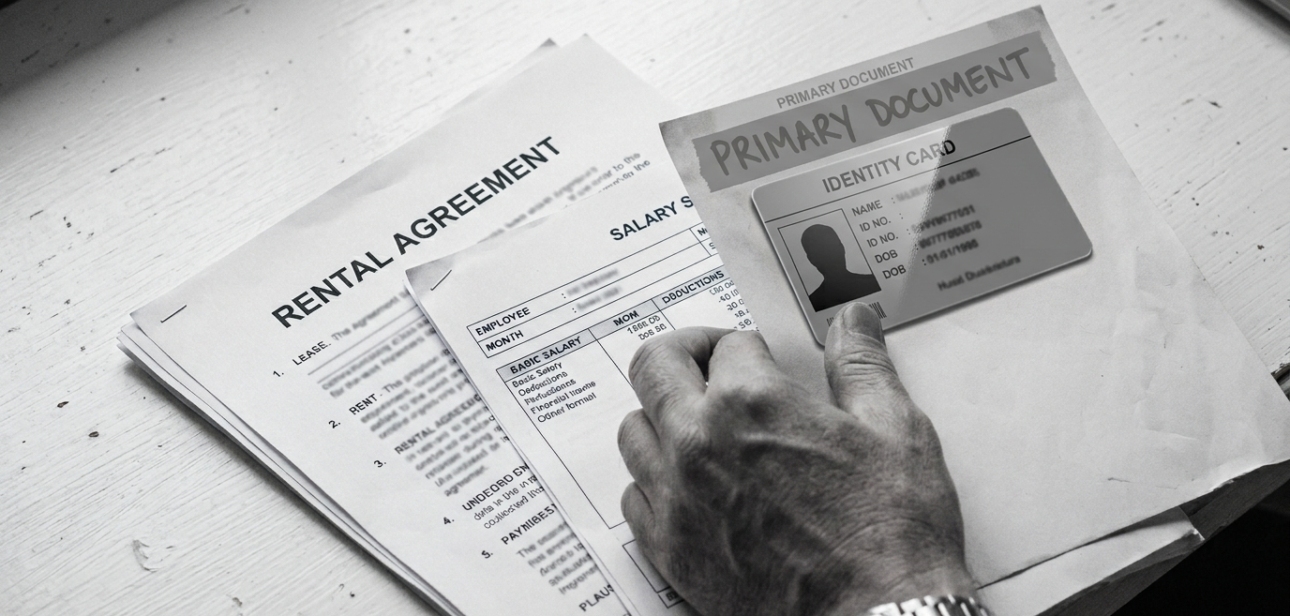
From the tenant — Aadhaar card copy, PAN card copy, two passport-sized photographs, signed rental agreement copy, and details of previous address and reason for moving. From the landlord — property ownership proof, their own Aadhaar or identity document, and the tenant’s information form completed and signed.
Online Process — Major States {#online-process}
Karnataka: The Karnataka Police e-Services portal allows online tenant registration. Visit ksp.karnataka.gov.in and navigate to Citizen Services ? Tenant Registration. Both landlord and tenant details are submitted online. The Suraksha App also enables tenant registration for Bengaluru.
Delhi: Delhi Police offers online tenant verification through the Delhi Police website. Visit delhipolice.gov.in ? Online Tenant Verification. Upload tenant documents and submit. A police officer may follow up with a physical visit.
Maharashtra: Maharashtra Police provides tenant verification through the mahapolice.gov.in portal. The process is similar — landlord submits tenant details online.
Andhra Pradesh / Telangana: Check the respective state police websites for online tenant verification — both AP Police and Telangana Police have citizen service portals.
Offline Process {#offline}
Where online submission is not available or preferred, the landlord visits the local police station with the tenant’s documents and completes a tenant information form. The station officer records the information and may visit the property to confirm.
In many areas, the local beat constable or station house officer handles tenant registrations routinely. Asking your landlord to confirm this is done shortly after move-in is entirely reasonable.
For Tenants From Northeastern States {#northeast}
Tenants from northeastern states in Delhi have specific support through SPUNER — the Special Police Unit for the North East Region. SPUNER assists with tenant verification and can be contacted if the verification process creates complications or if the landlord refuses to cooperate.
The SPUNER helpline is 1093 — dedicated to northeastern residents in Delhi.
Related read: Delhi landlord harassment — 1 in 4 PCR calls from northeast residents ?
Final Thought
Police verification for tenants is not a bureaucratic inconvenience — it is a legal requirement in most Indian states and a practical protection for both parties. Cooperate with it, ensure your landlord initiates it, and keep a copy of the submitted documents for your own records.
Complete guides for every step of renting in India. Browse our full library ?