
Share This Article
Shifting house in India is one of those tasks that looks manageable until you are in the middle of it — realising you forgot to update your bank address, the electricity connection is still in your name at the old flat, and the packers have arrived three hours late.
This guide gives you a complete timeline — starting four weeks before your move date — so that every task gets done in the right order.
Table of Contents
Four Weeks Before {#four-weeks}
Give notice to your current landlord in writing — as per the notice period in your agreement. Do this the day you decide to move, not when you start packing. Confirm the exact move-out date and agree in writing.
Finalise your new flat — signed agreement, deposit paid, keys received or scheduled for receipt on move-in day.
Book packers and movers — do not leave this until the last week. Get quotes from at least three vendors. Verify that the mover is a registered business, ask for GST invoice availability, and confirm their liability coverage for goods in transit.
Start decluttering — sell, donate, or discard items you will not take to the new flat. Less to pack means lower moving cost and less time on move day.
Check the society move-in rules at your new building — some require advance notice, a scheduled time slot, or a move-in fee paid before the date.
Two Weeks Before {#two-weeks}
[IMAGE BLOCK 2 — Mid-article]
Begin packing non-essentials — books, decorative items, off-season clothing, stored items. Label every box with its room destination and a brief contents description. Number boxes sequentially so you know if any are missing at delivery.
Arrange for dismantling of furniture that cannot be moved assembled — confirm with the packer whether they provide this service or you need to arrange separately.
Notify your employer of address change — particularly relevant if you receive physical payslips or official correspondence by post.
Notify your bank — update address on all bank accounts, savings accounts, and credit cards. Most banks allow online address updates through net banking or app.
Notify your health insurance and any other active insurance policies.
Organise important documents — keep passports, Aadhaar, PAN, insurance papers, and financial documents in a separate bag that travels with you personally, not in the moving truck.
One Week Before {#one-week}
Confirm all details with the packers and movers — time of arrival, vehicle size, specific instructions for fragile or high-value items.
Pack essentials bag — items you will need on the first night and day in the new flat: change of clothes, toiletries, phone chargers, medication, important documents, some cash, and basic kitchen items.
Take inventory photographs of all furniture and electronics before they are packed — for insurance claims if damage occurs during transit.
Disconnect or handover arrangements for electricity, gas, and internet at the old flat — or schedule them for the day after you leave.
Confirm your old flat’s move-out inspection with the landlord — when will it happen, who will be present, what the deposit return process is.
Moving Day {#moving-day}
Be present when the movers arrive and when they load. Do not leave the packing entirely to the movers without oversight — particularly for fragile items.
Do a final walkthrough of the old flat before the truck leaves — check every room, every cupboard, every shelf, and the terrace or balcony if applicable.
Photograph the old flat in its vacated condition — every room. This is your evidence for the deposit return process.
Hand over keys to the landlord — do not do this before you have a written confirmation of the deposit return date and amount, or a signed settlement of any agreed deductions.
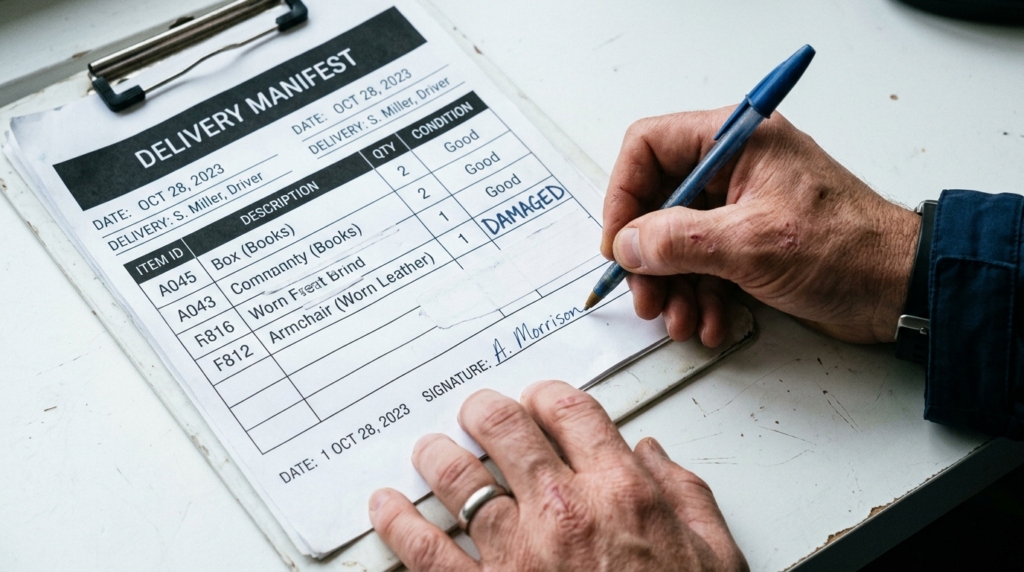
At the new flat — check every item as it comes off the truck and verify against your box inventory. Note any damage immediately and inform the movers in writing before they leave.
First Week After Moving {#first-week-after}
Set up internet — call the provider and schedule installation immediately. This takes two to five days.
Set up gas connection — visit the nearest LPG agency with your rental agreement to initiate a new connection or transfer.
Initiate police verification — remind your landlord to complete tenant registration within the required period.
Test all utilities — electricity, water, gas — and report any issues to the landlord in writing within the first week.
Complete society move-in formalities — submit tenant registration to the RWA if required, obtain your parking sticker or access card.
Address Change Checklist {#address-change}
? Aadhaar address update — through the UIDAI portal or Aadhaar enrollment centre
? Bank accounts — all active accounts and credit cards
? PAN card — if the address on your PAN needs updating
? Employer records — HR and payroll
? Health and life insurance
? Vehicle registration — update at the local RTO if you own a vehicle
? Voter ID — update at your nearest electoral office or online
? Income tax portal — update address at incometax.gov.in
? Subscriptions — streaming, magazines, deliveries
? Any active e-commerce accounts with saved delivery address
Related read: Packers and movers checklist India ?
Final Thought
House shifting in India is manageable when it is planned. The tasks that cause post-move stress are almost always the ones that were meant to be done “later” — the address change that was forgotten, the electricity connection that stayed in the old name, the deposit that was never formally settled.
The timeline above is designed to eliminate all of those. Start four weeks out. Move one task at a time.
Complete guides for tenants at every stage of renting. Browse our full library ?