
Share This Article
Every year, a lot of Indian tenants receive a message from their landlord. Renewal time. And with it, a rent increase.
Some accept it without question. Others feel something is off but do not know where to look.
Here is the clear answer: whether your rent can go up every year depends entirely on your agreement and local rent laws. It is not automatically legal or illegal.
The Role of Your Rent Agreement
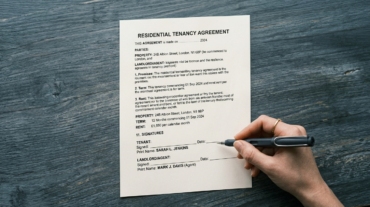
Your tenancy agreement is the first place to look.
If it includes an escalation clause — for example, rent shall increase by 8% per year at each renewal — then yes, annual increases are legally valid and agreed to by you when you signed.
If there is no such clause, your landlord cannot unilaterally impose an annual increase. They would need to negotiate a new amount at renewal time, and you have the right to push back or decline.
Never assume a standard increase applies. Always check the specific language of your own agreement.
What Happens at Renewal
Most Indian rental agreements run for 11 months. When the period ends, both parties negotiate a renewal.
At renewal, the landlord is free to propose a new rent. You are free to accept, counter, or walk away. There is no law that forces you to accept an annual increase.
The negotiation at renewal is your leverage point. If you have been a reliable tenant, you have more ground to stand on than you might think.
State Rent Control Acts and Annual Increases
In states with Rent Control Acts — Maharashtra, Delhi, Karnataka, Tamil Nadu, West Bengal — the rules are different.
For properties covered under these acts, annual increases may be capped or require formal approval. In some cases, the standard rent is fixed and can only be revised through the Rent Control Court.
However, most Rent Control Acts apply only to older properties or those below certain rent thresholds. If you are renting a newer apartment at market rates, the act may not apply.
Check whether your property falls under your state’s Rent Control Act. Your state government website or a local tenant rights organisation can help.
Market Rate Increases vs Legal Limits
Even in places without formal rent control, there is a difference between market practice and legal entitlement.
A landlord can ask for a higher rent. But asking is not the same as having a right to it.
If your agreement says nothing about annual increases, you are not obligated to agree to one every year. The landlord’s only option is to negotiate or not renew the tenancy.
How to Handle an Annual Rent Increase You Think Is Unfair
Start with your agreement. Read the escalation clause, if any. If the proposed increase exceeds what the clause allows, point that out in writing.
If there is no clause and the landlord is insisting on an increase, remind them in writing that no such term was agreed to.
If you are in a state with rent control and the property qualifies, you can approach the Rent Control Court to have fair rent determined.
In cities like Bengaluru, Chennai, or Hyderabad where market rents have risen sharply, many tenants accept increases out of fear of losing the property. This is understandable. But knowing your rights gives you a better negotiating position even if you ultimately agree to some increase.
A Simple Rule to Remember
Annual rent increases are legal if your agreement allows them. They are negotiable if your agreement says nothing about them. They may be restricted by law if your property falls under state rent control.
The most important thing you can do is read your agreement carefully before you sign it.
Internal links: https://dwellble.com/blog/how-much-rent-can-be-increased-india, https://dwellble.com/blog/rent-agreement-renewal-india, https://dwellble.com/blog/minimum-rent-agreement-duration-india
External links: mohua.gov.in (Model Tenancy Act), indiacode.nic.in