



Share This Article
In India’s metro rental markets, the broker is an established fixture. They know the inventory, they know the landlords, and they facilitate a transaction that might otherwise take weeks of direct searching. They also charge one month’s rent — sometimes from both the tenant and the landlord — for this service.
The question of whether to use a broker or go direct is not simply about saving the brokerage fee. It is about trade-offs in time, access, information, and risk.
Table of Contents
What a Broker Actually Does {#what-broker-does}
A legitimate broker provides: access to properties not publicly listed, landlord relationship management (they know which landlords are reliable), time saving (they filter properties to your requirements and arrange viewings), agreement facilitation (they manage the documentation process), and sometimes basic negotiation on your behalf.
In practice, the quality of these services varies enormously. Some brokers are genuinely knowledgeable and save you significant time. Others show you properties that do not match your stated requirements, rush you toward decisions, and are primarily interested in closing transactions quickly.
The broker’s incentive is completing a deal — not finding you the perfect flat. This creates an inherent misalignment with the tenant’s interest.
The Cost of Using a Broker {#broker-cost}
Standard brokerage in India for residential rentals is one month’s rent. In some markets and for some properties, brokers charge both the landlord and the tenant — collecting two months’ total brokerage from a single transaction.
On a ?25,000 monthly rent, one month’s brokerage is ?25,000. Two months’ brokerage — if the landlord is also paying — means ?50,000 is extracted from the transaction for facilitation services.
This is the cost to evaluate against the value the broker provides. If the broker finds you a flat you would not have found independently, manages the landlord relationship competently, and saves you three weeks of searching — the fee may be worth it. If the broker shows you listings from NoBroker that are publicly available and adds no information value — it is not.
What Going Direct Involves {#going-direct}
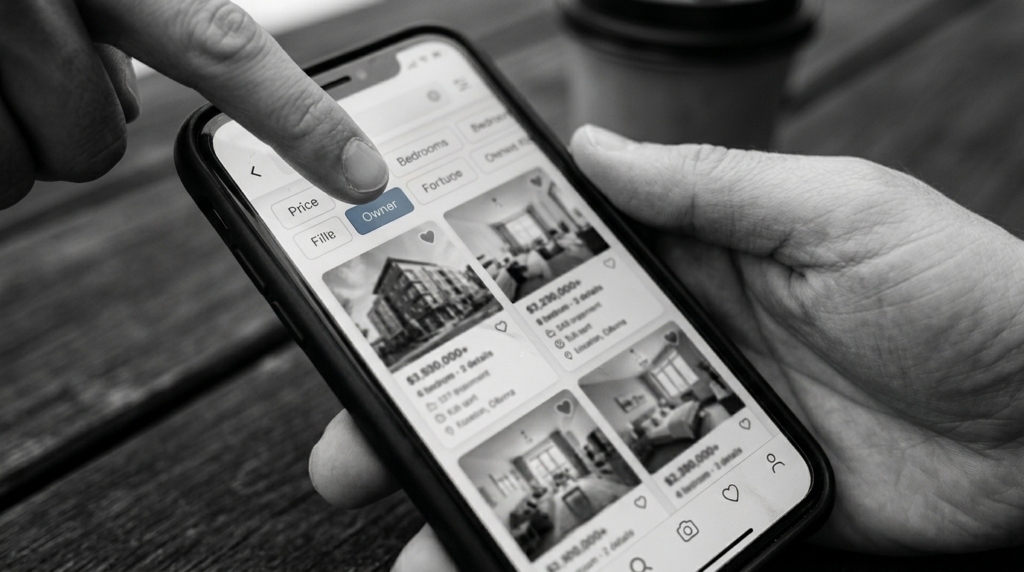
Renting directly from a landlord without a broker means: independently finding the listing (platforms like NoBroker, MagicBricks, 99acres all list direct landlord properties), dealing directly with the landlord for negotiation, and managing the agreement process yourself.
Direct renting requires more effort from the tenant — more searching, more individual conversations, more self-reliance on agreement review. The trade-off is: no brokerage, a potentially more direct relationship with the landlord, and more control over the process.
For tenants who are willing to invest the time, going direct saves a meaningful sum — particularly in higher-rent areas where one month’s brokerage represents a significant amount.
The Platforms Available for Direct Renting {#platforms}
NoBroker — India’s largest no-brokerage rental platform. Lists properties directly from landlords. nobroker.in. Covers Bengaluru, Mumbai, Delhi, Pune, Hyderabad, and Chennai.
MagicBricks and 99acres — include both broker-listed and owner-listed properties. Filter for “owner” listings to avoid brokerage.
Facebook Marketplace and local groups — particularly effective in specific cities and neighbourhoods. Many landlords post directly.
Housing.com — similar mix of broker and direct listings with owner filter option.
WhatsApp groups — neighbourhood-specific and city-specific rental WhatsApp groups (Bengaluru Rentals, Mumbai Flats etc.) often have direct landlord listings that do not appear on formal platforms.
When Using a Broker Makes Sense {#when-broker}
A broker adds genuine value when: you are new to the city and do not know the neighbourhoods, you are searching for a very specific type of property in a competitive market, you have limited time to search independently, you are relocating from another city and need someone with local market knowledge, or you need to navigate a landlord who is difficult to deal with directly.
In these situations, the brokerage fee buys access, time, and local expertise that has real value.
When Going Direct Makes Sense {#when-direct}
Going direct is better when: you know the city and the neighbourhood you want, you have time to search independently, you are comfortable dealing directly with landlords, the brokerage fee represents a significant proportion of your budget, or you want more control over the tenant-landlord relationship from the outset.
Red Flags in Broker Behaviour {#broker-red-flags}
Know these broker behaviours that cross into problematic territory: charging for property viewings (legitimate brokers do not charge to show properties), collecting brokerage from both sides without disclosing this to both parties, pressuring for an immediate decision (creating artificial urgency to close the deal), showing properties that do not match your stated requirements (padding the transaction to have more options to close), and inventing agreement charges above the actual stamp duty cost.
Related read: Broker scams India — how to spot them ?
Final Thought
Broker vs no broker is not a moral question — it is a practical one. A good broker saves time and provides access. A bad one costs money and adds no value. The platform alternatives available in India now make direct renting genuinely viable in most metro cities.
Know what you are paying for. Decide whether you are getting it.
More guides for renting smarter in India. Browse our full library ?