
Share This Article
TDS on rent above Rs 50,000 is not a rule most salaried tenants in Indian metros think about. It should be — because the Income Tax Department is now actively tracking it, and the March 31 deadline just passed.
Under Section 194IB of the Income Tax Act, tenants paying more than Rs 50,000 per month in rent must deduct Tax Deducted at Source before paying their landlord. This rule places compliance responsibility directly on the tenant, not the landlord. Failure to follow it can lead to interest charges, late fees, and penalties from the Income Tax Department. Trade Brains
This is not new law. But enforcement is catching up with it — and a formal brochure issued by the Income Tax Department earlier this year put the rule back in focus right before the financial year closed.
Who it applies to
If you are a salaried individual or part of an HUF paying more than Rs 50,000 a month to your landlord, this applies to you. This provision, introduced in 2017, is still widely misunderstood, especially among salaried tenants in metro cities paying high rents, according to Niyati Shah, chartered accountant and vertical head of Personal Tax at 1 Finance. Business Standard
The TDS rate under Section 194IB is 2%, reduced from 5% effective October 1, 2024. For example, if your monthly rent is Rs 60,000, your total yearly rent is Rs 7,20,000. TDS at 2% means you owe Rs 14,400 to the government — deducted from your March rent payment before passing it to your landlord. X
If your landlord doesn’t provide their PAN, the rate shoots up to 20%.
How to file
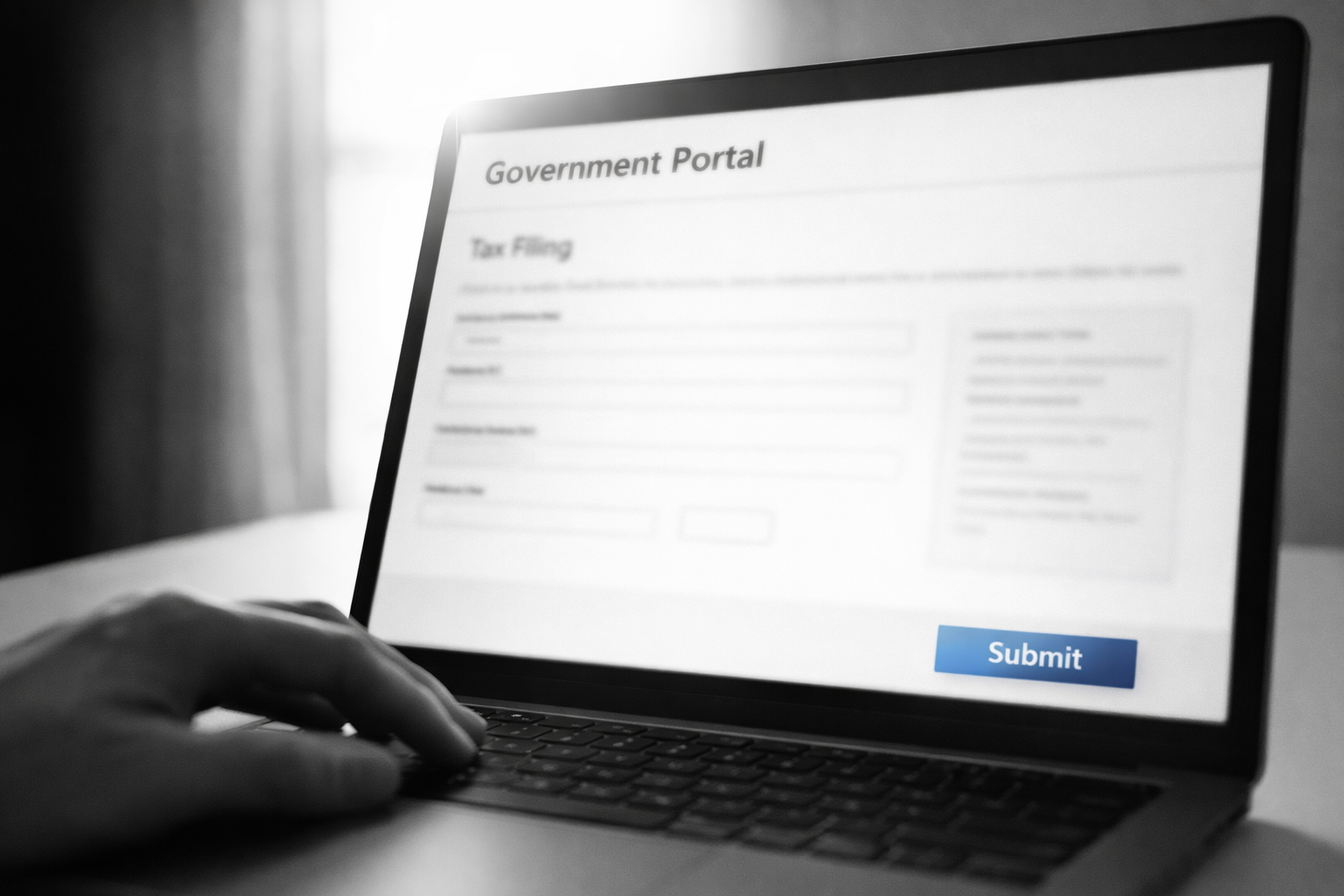
The tenant must deposit the TDS with the government using Form 26QC within 30 days from the end of the month in which the rent is paid. After filing, Form 16C — the TDS certificate — must be issued to the landlord within 15 days, according to Amit Bansal, partner at Singhania & Co. Business Standard
You don’t need a TAN. Just your PAN and your landlord’s PAN. The entire process is online through the Income Tax e-filing portal.
What happens if you missed March 31
Failure to deduct or deposit TDS can lead to significant consequences. The tenant may be treated as an “assessee in default” and face interest charges of 1% per month for non-deduction and 1.5% for non-payment after deduction, a late filing fee of Rs 200 per day, and penalties up to Rs 1 lakh under Section 271H for not filing TDS returns. Business Standard
Beyond the fine, the bigger risk is a tax notice. The department cross-references your rent payments with your landlord’s income declarations. A mismatch flags both of you automatically.
If you missed it, file now. The penalty for being three weeks late is far smaller than the penalty for not filing at all.
Sources: Hindustan Times | Business Standard | Economic Times