

Share This Article
When a young woman from a northeastern state arrived in Delhi to study, she found a room in South Delhi, completed tenant verification through her landlord, and thought she was settled.
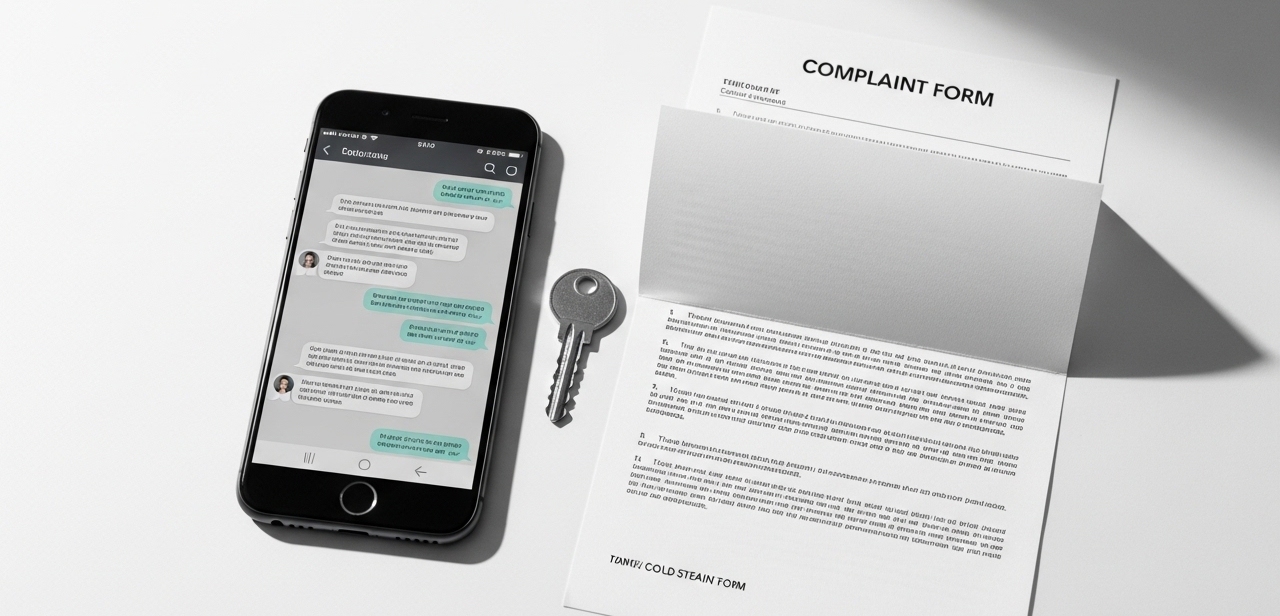
Then the messages started. An unknown number. Repeated texts. Calls she didn’t answer. She eventually found out the number belonged to her landlord — using a second phone to ask, as she later told those who helped her, “if she provided services.”
She was scared. The city was new. She didn’t know where to go.
She went to SPUNER.
Table of Contents
The Scale of the Problem {#scale}
According to data cited by the Indian Express in a detailed investigation, the Delhi Police Control Room receives an average of 180 calls each month involving citizens from northeastern states. Nearly one quarter of those calls — roughly 45 per month, or more than one every day — relate to tenant disputes, most involving ill-treatment by landlords.
A senior police officer quoted in the report put it plainly: “On average, the Delhi Police receive around six calls every day involving people from the Northeastern states. About one-fourth of these cases are related to disputes or ill-treatment by landlords.”
The remaining calls involve online fraud, disputes with taxi drivers, mobile theft, workplace harassment, and personal conflicts. But the landlord category is the single largest share of the housing-related volume.
An estimated eight to ten lakh people from northeastern states live in Delhi — the majority students and professionals working in multinational companies, with others coming for medical treatment and living on rent for months at a time.
What SPUNER Is {#what-spuner-is}
[IMAGE BLOCK 2 — Mid-article]
SPUNER — the Special Police Unit for the North East Region — was established by the Delhi Police in 2014 following the death of Nido Tania, a student from Arunachal Pradesh and son of then-Congress MLA Nido Pavitra, who was allegedly killed in a racial attack in Lajpat Nagar.
The unit was set up specifically to assist people from the Northeast with cases that local police stations might otherwise handle without adequate cultural sensitivity or context.
SPUNER is overseen by officers of Joint Commissioner and Special Commissioner rank, and comprises 80 personnel. The Delhi Police also issued helpline number 1093 specifically for people from the Northeast, along with three dedicated PCR vans called NEAT — North Eastern Assistance Team — working under the unit.
Around 50 representatives from all seven northeastern states, as well as Gorkhas from Darjeeling and Ladakhis, have been appointed to assist and coordinate with police in such matters. The Delhi Police also runs a Facebook page, Delhi Police for Northeast Folks, managed by SPUNER.
How the Unit Works {#how-it-works}
SPUNER does not replace local police — it supplements them. When a case involves a person from a northeastern state, SPUNER assists the local police station and provides context, community liaison, and specialist coordination.
The unit conducts monthly meetings with representatives from northeastern states and local police. In a recent meeting, senior officers directed police station staff to go beyond standard procedure in cases involving landlords and tenants from the Northeast — and to immediately involve representatives from these states and SPUNER officers when such complaints are received.
SPUNER has also collaborated with around 54 private hospitals in Delhi to provide assistance to people from the Northeast who come to the city for medical treatment and live on rent — including concessions on hospital bills.

The Landlord Who Thought She Was “Easily Available” {#landlord-case}
Weins Bhir, who volunteers with SPUNER as the Delhi Police North East Representative and works with an NGO for the rights of women and children in Delhi, coordinated the case of the young woman described at the opening of this article.
When police caught the landlord, he initially denied his actions. He eventually broke down. When asked why he had done it, he said he thought “she was easily available because she looked different.”
The woman chose not to pursue formal legal proceedings — she wanted to focus on her studies. The outcome was an apology letter and a formal commitment that the behaviour would not be repeated.
“The girl was very scared at the time, as the person seemed to be stalking her. The city was new to her, but somehow she managed to approach the police,” Bhir recalled.
This case is not isolated. Just recently, a couple in Malviya Nagar allegedly hurled racial abuses at three students from Arunachal Pradesh living on rent in the same area. Delhi Police registered a case and later arrested the couple. Chief Minister Rekha Gupta met the students and stated there is “absolutely no place for hatred, discrimination, intimidation, or racial abuse in the Capital.”
What Covid Made Worse {#covid}
According to Bhir, the Covid-19 pandemic significantly worsened the situation for people from the Northeast renting in Delhi. Landlords began overcharging tenants during the pandemic — and the practice, she said, has continued.
“But the work being done by the Delhi Police’s SPUNER has helped improve the situation significantly. But there is still a lot to be done as far as racism in this country is concerned,” Bhir said.
What Northeast Tenants in Delhi Can Do {#what-to-do}
If you are from a northeastern state and facing landlord harassment in Delhi:
Call 1093 — the Delhi Police helpline dedicated to northeastern residents. This connects directly to SPUNER and the NEAT vans operating in the city.
Contact SPUNER through the Delhi Police for Northeast Folks Facebook page, which is monitored and managed by the unit.
Document everything. Screenshots of messages, call logs, and written records of verbal incidents all strengthen a complaint.
Reach out to your state’s representative appointed under SPUNER — all seven northeastern states have designated representatives who can assist with coordination.
If harassment involves discrimination, racial abuse, or threats — not just a rental dispute — this is a criminal matter and warrants an FIR, not just a civil complaint.
Related read: 5 essential rent agreement clauses every tenant must know ?