



Most Indian tenants operate from a position of assumed weakness. The landlord owns the property. The landlord holds the deposit. The landlord can make life difficult if they choose to. All of that is true. And none of it changes the fact that tenants in India have significant legal rights — rights that exist whether…
-
The short answer is: not always legally required — but practically essential. Most tenants in India move into a new flat with a vague verbal understanding, a WhatsApp message about the rent amount, and a handshake. Some sign a printed agreement. A few get it properly stamped and registered. A small number do nothing at…
-

India’s Income Tax Act, 1961 survived over 60 Finance Acts and more than 4,000 individual amendments across six decades before the government decided enough was enough. The Income Tax Act, 2025 — passed by both Houses of Parliament in the monsoon session of 2025 — takes effect from April 1, 2026. It replaces the 1961…
-

Something is shifting in the UK property market. While the headlines focus on rising costs, tightening regulations, and economic uncertainty, a quieter movement is underway: landlords are selling. Strategically. And many are selling well. A piece published by Property118 — one of the UK’s largest landlord community platforms — made the case plainly: for landlords…
-

Two days before Sarah North was due to move into her London Bridge flat, she got a message from her landlord. His father had died. She would have to find somewhere else to live. “He was giving breakdowns of what his actions were — he’s got to see the solicitor, he’s got to see the…
-
The landlord’s logic was blunt: the tenant was a foreigner, he was leaving India, and it would be “impossible” for him to take legal action from abroad. On that basis, the landlord refused to return a ?6 lakh security deposit and reportedly threatened the Singaporean tenant with police complaints and immigration trouble — claims designed…
-
The conversation started simply enough. “Jason, I’m done. You owe over ten grand in rent. I can’t keep carrying this.” What followed was a text exchange between a UK landlord and his tenant that was reshared by property strategist Jake Rooke and viewed by thousands — not because the situation was unusual, but because it…
-

A family in north Bengaluru ran out of cooking gas. They booked a refill — it didn’t arrive. With no other option, they set up a traditional firewood stove outside their home and cooked their meals. Their landlord saw the smoke. He told them to leave. The incident, reported by News18 Kannada and Asianet Newsable,…
-
Ownership of a property does not give a landlord the right to enter it whenever they choose — not if it is under a tenant’s lawful possession. And if they enter with criminal intent, they can be convicted of house trespass and mischief under the Indian Penal Code. That is the clear legal position reaffirmed…
-
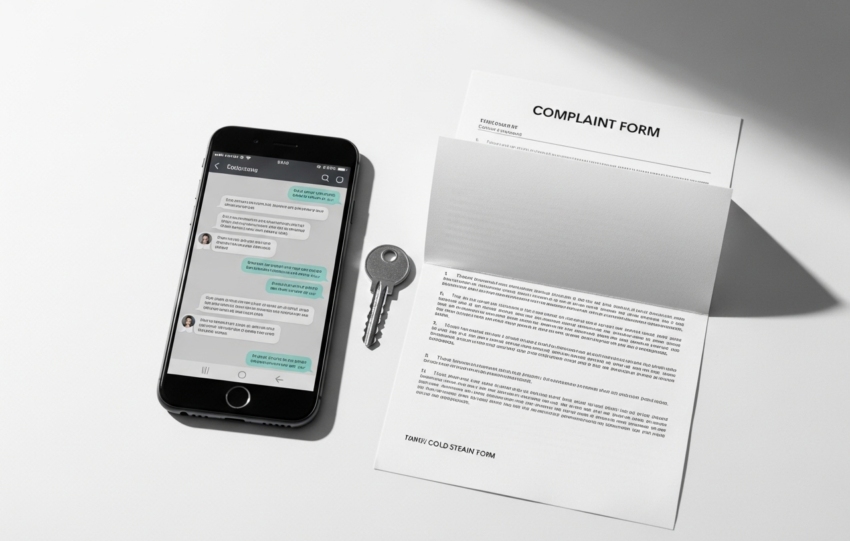
When a young woman from a northeastern state arrived in Delhi to study, she found a room in South Delhi, completed tenant verification through her landlord, and thought she was settled. Then the messages started. An unknown number. Repeated texts. Calls she didn’t answer. She eventually found out the number belonged to her landlord —…